What a fair quote looks like
A good quote is specific enough that two firms could bid the same job. Here is what to look for, and the patterns that should make you pause.
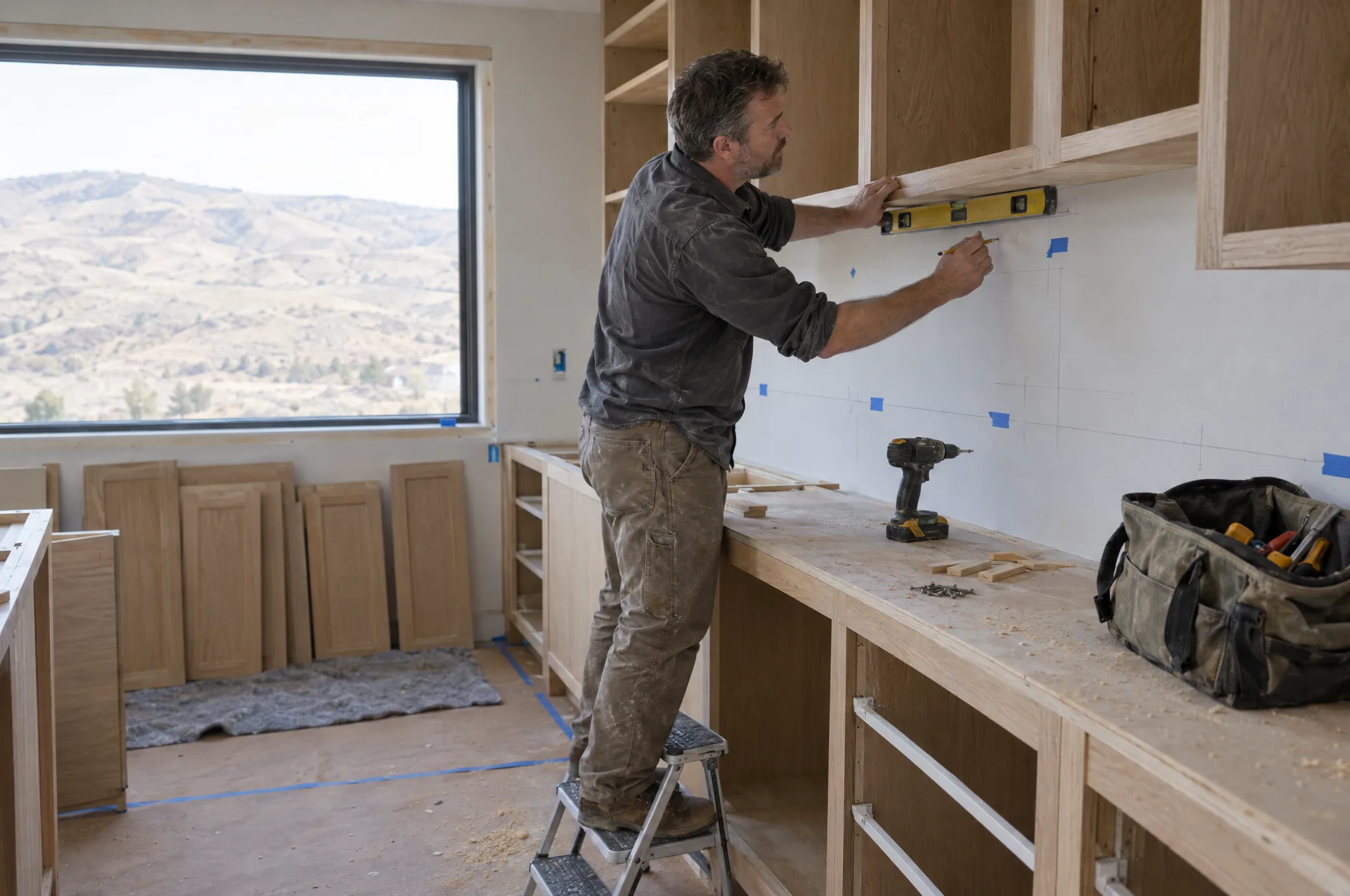
Most disputes with contractors start with a vague quote. "Replace water heater, $X" leaves room for both sides to remember the deal differently. A good quote closes that room.
What a good quote spells out
- Scope: exactly what will be done, and what won't. Removal and disposal of the old unit, patching, cleanup.
- Materials: brand, model, or grade where it matters, so you can compare like with like.
- Permits: whether the job needs one, and who pulls it. If a permit is required, the contractor should pull it.
- Timeline: when work starts and roughly how long it takes.
- Payment schedule: what is due when, tied to milestones rather than dates.
- Changes: how extra work gets priced and approved, ideally in writing before it starts.
Patterns that should make you pause
- A large share of the price due before any work or materials arrive.
- Cash only, or a discount for skipping the paperwork.
- Pressure to sign today, or a price that expires within hours.
- A quote that is far below the others with no explanation of what's different.
- No written quote at all.
How the pricing pledge works
Every firm on the register signs a pricing pledge as part of the Standard: quotes in writing, changes approved before the work, and member rates honored. On the monthly plan we check each quote against it before work starts. If a firm breaks the pledge, a substantiated complaint removes it from the register.